
How to Fix or Prevent Buffering with IPTV: A Practical Guide
Buffering is a common frustration when streaming IPTV. This guide explains why buffering happens and offers clear steps to fix and prevent it, helping you enjoy smooth streaming.
On this page
Introduction
Buffering interrupting your IPTV (Internet Protocol Television) viewing is frustrating. Simply put, buffering is when playback pauses to load more video data, causing annoying delays. Fortunately, buffering can often be fixed or greatly reduced through some straightforward changes. Whether you’re new or have some experience with IPTV, this guide shows clear, actionable steps to minimize buffering so you can enjoy smooth TV streaming.
What you’ll learn
- Why buffering happens in IPTV streams
- How your internet connection affects buffering
- Device and app settings that impact playback
- Network optimization techniques
- Common mistakes to avoid
- How to troubleshoot persistent buffering
Understanding Buffering and IPTV Streaming
What is buffering?
Buffering happens when the device playing the video temporarily pauses because it hasn't downloaded enough data to continue smoothly. IPTV streams video over the internet, so data packets need to arrive in time for continuous playback.
Why IPTV can buffer more than traditional TV
Unlike traditional broadcast or cable TV, IPTV uses your internet connection, which can vary in speed and stability. Network congestion, weak Wi-Fi signals, or overloaded servers can all cause buffering.
How Your Internet Connection Affects IPTV Buffering
Bandwidth: The biggest factor
Bandwidth refers to the maximum amount of data your internet can transfer in a given time, typically measured in Mbps (megabits per second). IPTV streams often require 5-25 Mbps or more depending on resolution and compression.
- Check your internet speed: Use free speed tests to evaluate download speed.
- Minimum recommended speeds:
- SD (480p): ~3-5 Mbps
- HD (720p/1080p): ~8-12 Mbps
- 4K UHD: 20+ Mbps
If your speed falls below these, buffering is likely.
Latency and packet loss
Latency is the delay data experiences traveling across the network, measured in milliseconds (ms). High latency can cause interruptions.
Packet loss means some data packets fail to reach your device, leading to playback hiccups.
Both can be checked with network diagnostic tools and can cause buffering even if bandwidth seems sufficient.
Wired vs Wireless connections
A wired Ethernet connection is typically more stable and faster than Wi-Fi, reducing buffering risk.
Wi-Fi can be affected by:
- Distance from router
- Interference from other devices or walls
- Router quality and settings
Optimizing or switching to wired connections helps minimize buffering.
Device and IPTV App Settings That Impact Buffering
Choosing optimal video quality
Many IPTV apps let users manually select the streaming quality. Selecting too high a resolution for your bandwidth causes buffering.
- Lower video quality settings can result in smoother playback.
- Some apps have adaptive streaming that automatically adjusts quality based on network conditions.
Adjusting buffer size and cache
Buffer size refers to how much video data the app preloads before playing. Increasing buffer size can reduce buffering but introduces delay before playback starts.
Not all apps allow this option, but if available, a larger buffer helps.
Closing background apps and updates
Running multiple apps consuming bandwidth or CPU can affect IPTV performance.
Before streaming:
- Close unnecessary apps
- Pause any large downloads or updates
Network Optimization Techniques
Restart your modem and router
Power cycling these devices can clear glitches causing reduced speeds.
- Turn off modem and router
- Wait 30 seconds
- Turn on modem first, wait for full startup
- Turn on router
Use Quality of Service (QoS) settings
Modern routers sometimes include QoS features to prioritize IPTV traffic over other network use.
Check your router’s manual to enable QoS if supported.
Update firmware and apps
Outdated router firmware or IPTV app versions can cause compatibility and performance issues.
Limit connected devices
Too many devices sharing the network diminishes available bandwidth.
Prioritize IPTV device or reduce other users during streaming.
Common Mistakes When Trying to Fix Buffering
- Ignoring internet speed: Buffering often relates directly to insufficient bandwidth.
- Only restarting IPTV app: Sometimes the issue is in the network or device.
- Using unreliable IPTV sources: Low-quality streams inherently buffer more.
- Overlooking modem/router placement: Placement can affect Wi-Fi signal strength.
Troubleshooting Persistent Buffering
If buffering continues despite the above steps:
- Run internet speed tests at various times to identify congestion periods.
- Connect device with an Ethernet cable to rule out Wi-Fi issues.
- Try another IPTV app to check if the problem is app-specific.
- Contact your ISP to check for network problems.
- Check IPTV provider server status and feedback.
Quick checklist for troubleshooting
| Step | Action |
|---|---|
| Verify internet speed | Use speedtest.net or similar |
| Test wired vs wireless | Connect via Ethernet if possible |
| Lower streaming quality | Adjust IPTV app settings |
| Restart network devices | Power cycle modem/router |
| Close background programs | Free up system resources and bandwidth |
| Enable router QoS | Prioritize IPTV traffic if supported |
| Update software/firmware | Keep devices current |
Frequently Asked Questions (FAQ)
Q: Why does IPTV buffering happen even with good internet speed?
A: Other factors like high latency, packet loss, Wi-Fi interference, or server overload can cause buffering despite adequate bandwidth.
Q: Can VPN use cause buffering?
A: Yes, VPNs can add latency and reduce speeds, resulting in buffering unless the VPN service and server are fast.
Q: Does IPTV buffering differ by time of day?
A: Yes, peak internet usage times (evenings) may slow down networks causing buffering.
Q: How much buffering is normal?
A: Occasional, brief buffering when a stream starts or during quality changes is typical. Frequent or long buffering indicates problems.
Conclusion
Buffering with IPTV is a common but usually solvable problem. By understanding how streaming and networks work, checking your internet speed, optimizing your home network, adjusting app settings, and troubleshooting methodically, you can greatly reduce buffering and enjoy smoother IPTV streaming. Start simple with speed tests and device restarts, then explore settings and hardware changes as needed. Reliable streaming is within reach with a bit of informed effort.
Related articles
More explainers that touch the same tools, workflows, and problems.
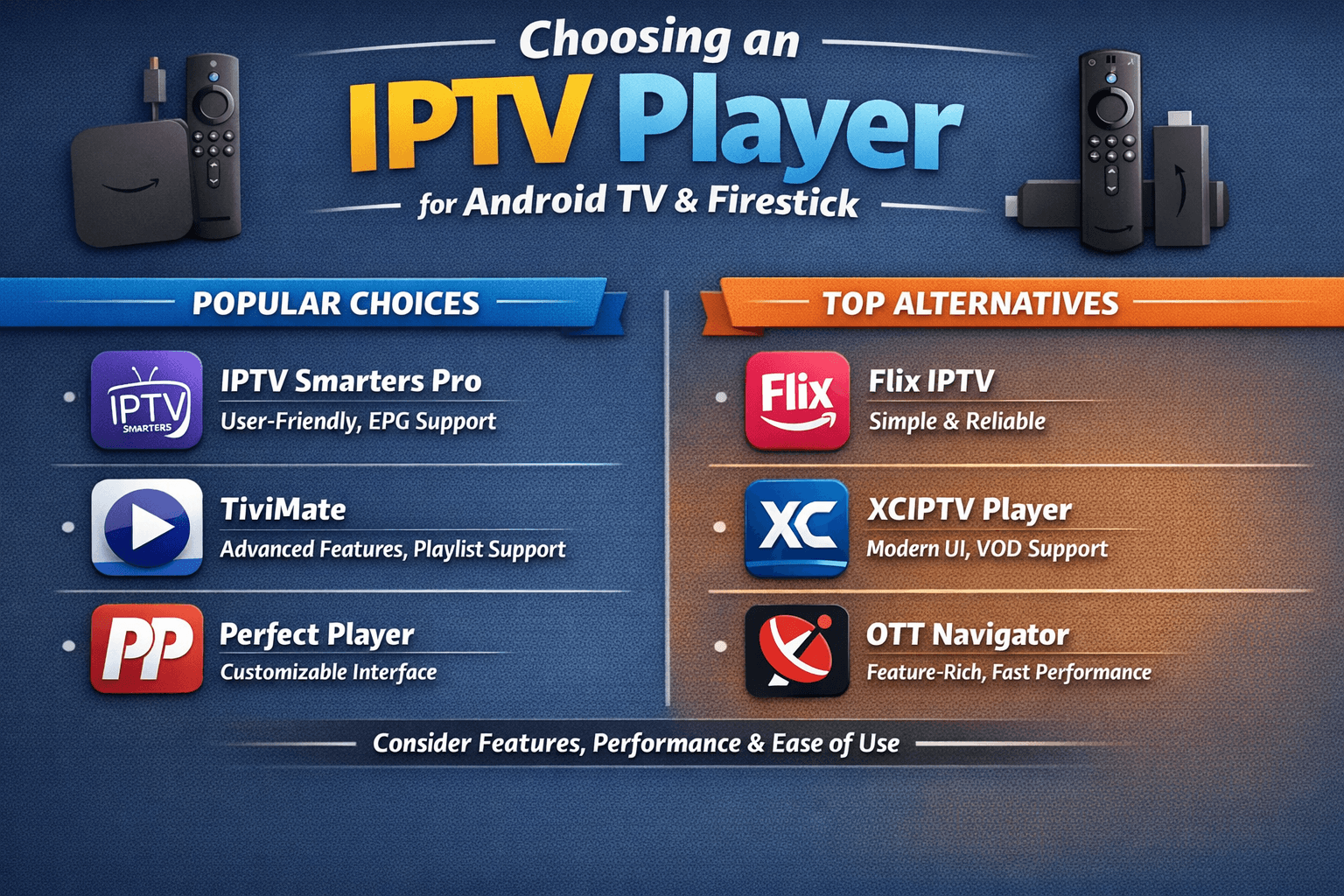
Discover how to select the right IPTV player for Android TV and Firestick devices. Learn key features, compatibility tips, and common pitfalls to avoid for an optimized streaming experience.
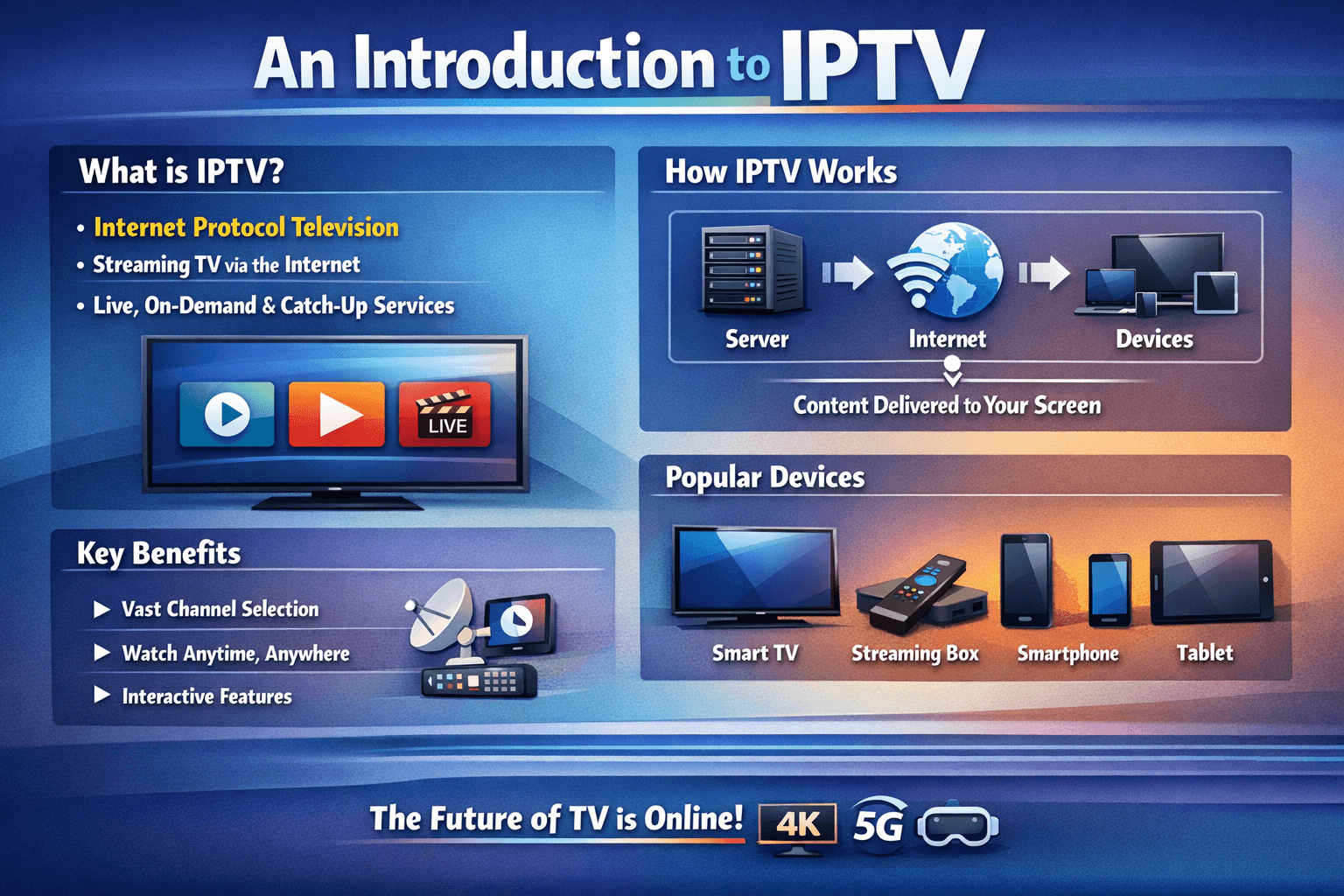
Learn what IPTV is, how it works, and practical steps to get started with IPTV streaming. Discover key terms, setup advice, common issues, and a helpful comparison guide.
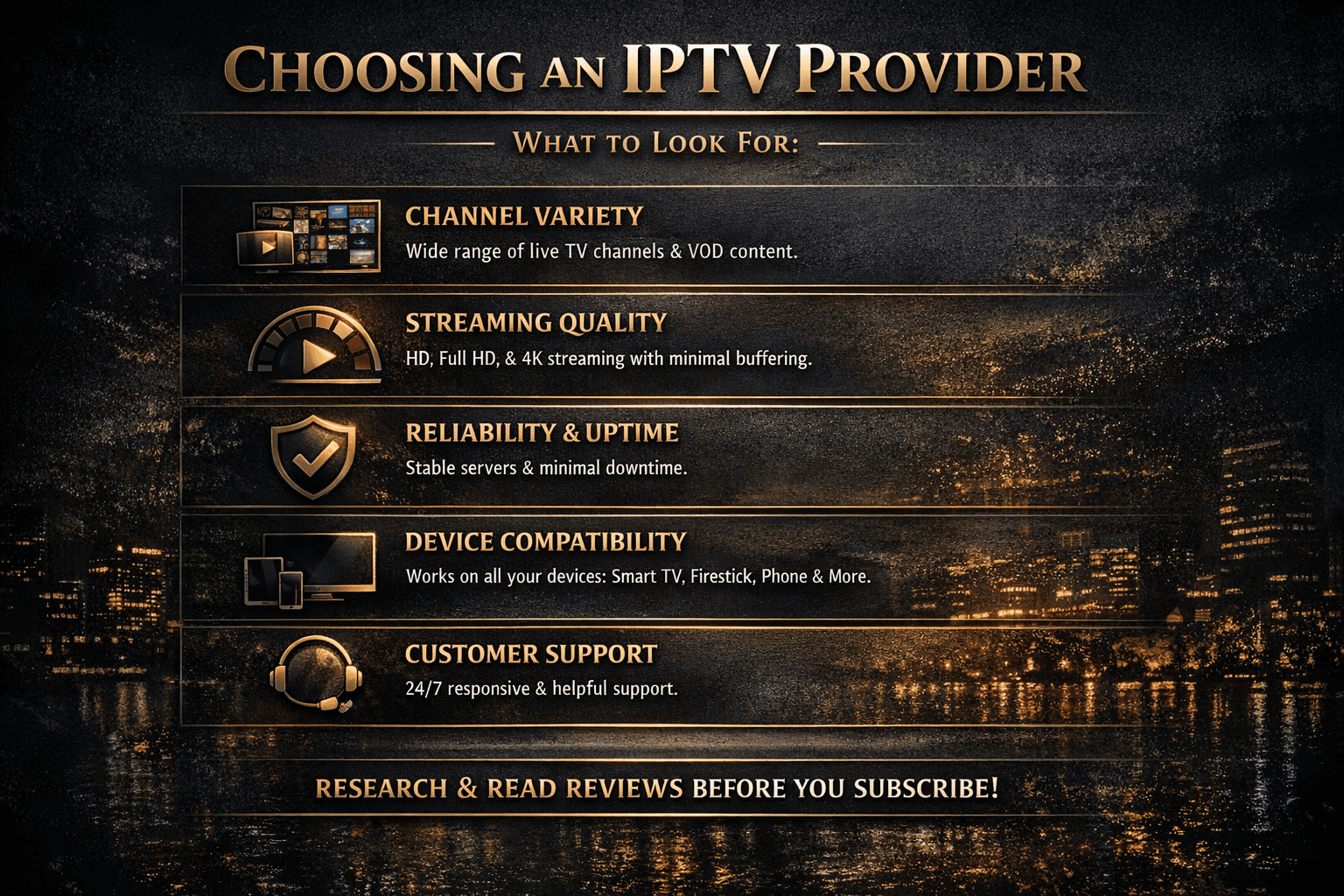
Selecting the right IPTV provider involves evaluating service quality, channel offerings, compatibility, and reliability. This guide breaks down key factors to help you make a well-informed choice.